The Beta-Carotene Case Files
Beta carotene is a fat-soluble orange-colored plant pigment that converts to vitamin A in the body. It's commonly used in multivitamins, but is also commonly seen as a "natural color" in foods, beverages, and supplements.
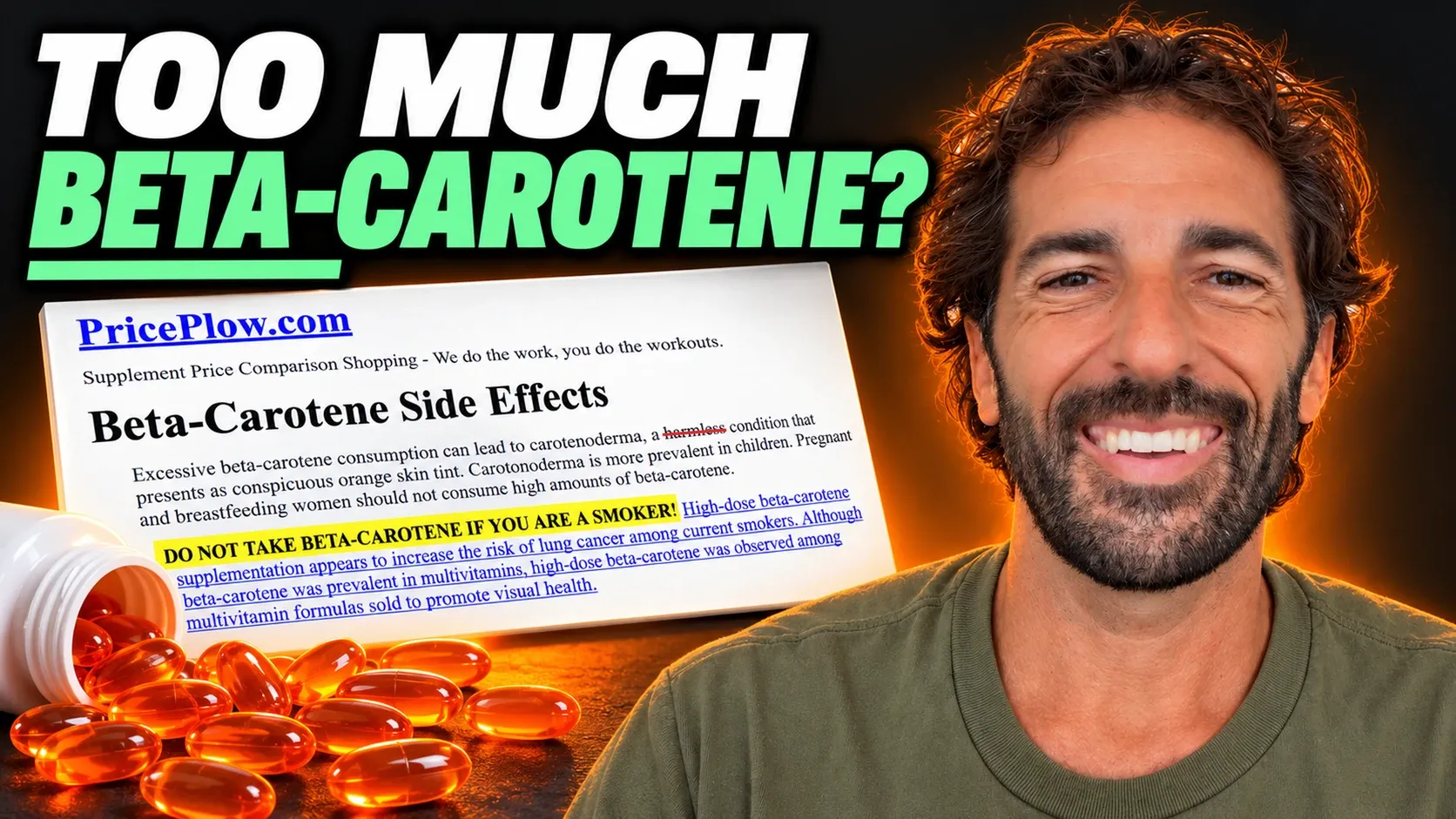
A large amount of research shows that high-dose beta-carotene has numerous negative health outcomes, ranging from increased cancer to mortality to bone fractures. Unfortunately, the FDA does not mandate beta-carotene be labeled as vitamin A when it's used as a colorant, nor does it force dosage disclosure -- and we've seen doses that go beyond what showed harm in research.
This series walks through that evidence in order: the hypothesis, the trials, the mechanisms, and what needs to change.
By the end, you'll understand my two goals:
- That the supplement and food industries stop using massive, hazardous doses of beta-carotene to color their drinks and foods orange.
- That the FDA requires all beta-carotene to be labeled as vitamin A, even when it's "just for color".
Thanks for reading. The series is below:
Episodes
Next up, Episode 2: the 50mg-a-day skin cancer trial that was stopped early, before the famous Finnish results came in.
I'll email you when each new episode is out. No spam, and you can unsubscribe anytime.
No spam. Unsubscribe anytime. Privacy Policy