I Published a Beta-Carotene Warning in 2008. I Didn't Know the Half of It.
· Mike Roberto · 20 min read
This is Episode 1 of the Beta-Carotene Case Files, a series on what the research actually shows about supplemental beta-carotene, how it's gone ignored for decades, and what it means for consumers, regulators, and professionals in the supplement, food, and beverage industries. This episode is an introductory background.
Can't watch on YouTube? Watch on Rumble
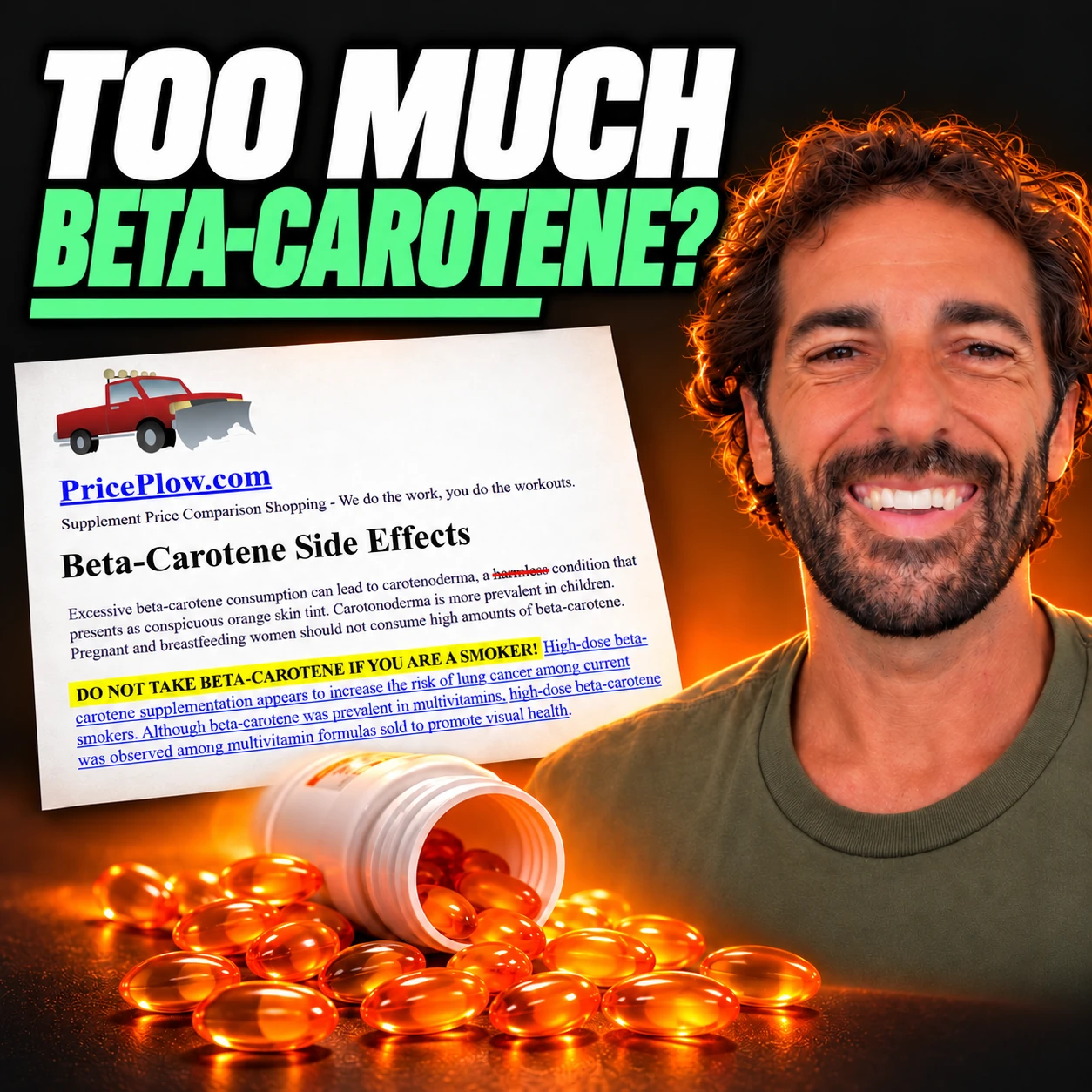
In 2008, I was researching and writing the category pages on my new supplement website, PricePlow. When it came to beta-carotene (the orange plant pigment that serves as a vitamin A precursor), I found something alarming.
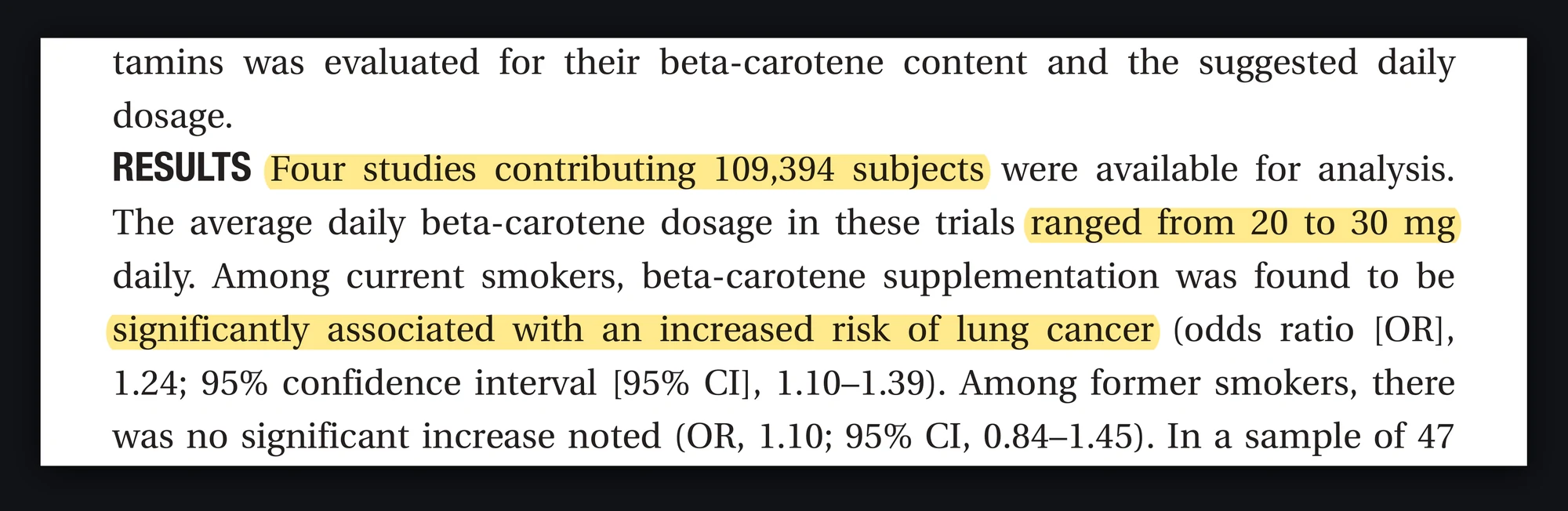
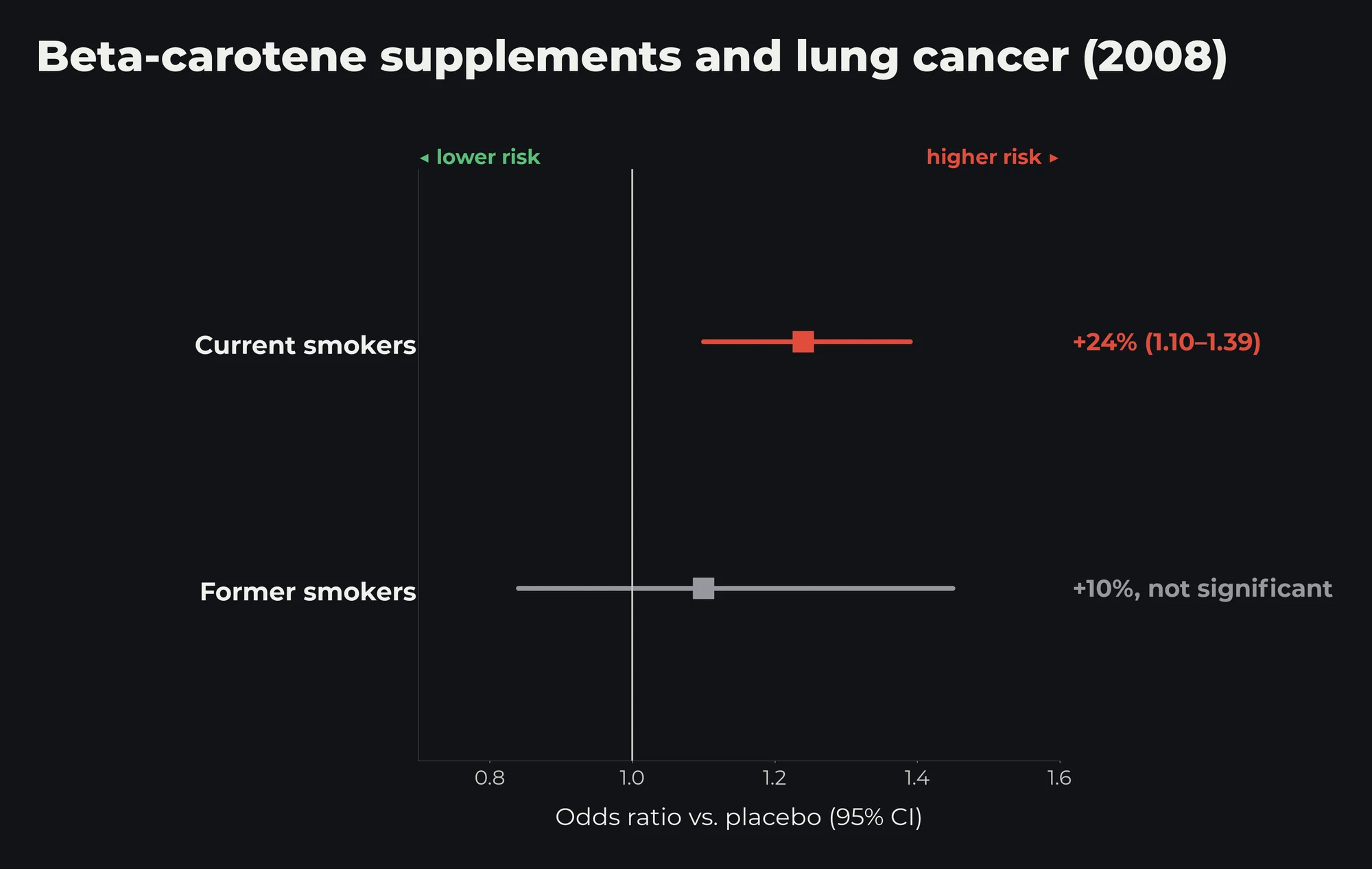
A meta-analysis published that year showed disturbing results: high-dose beta-carotene supplementation was consistently associated with significantly more lung cancer in smokers.[1] It pooled four large trials with over 100,000 participants, taking 20-30mg per day, and found 24% higher odds of lung cancer in smokers.
So on the site, I wrote in bold, "DO NOT TAKE BETA-CAROTENE IF YOU ARE A SMOKER!"[2]
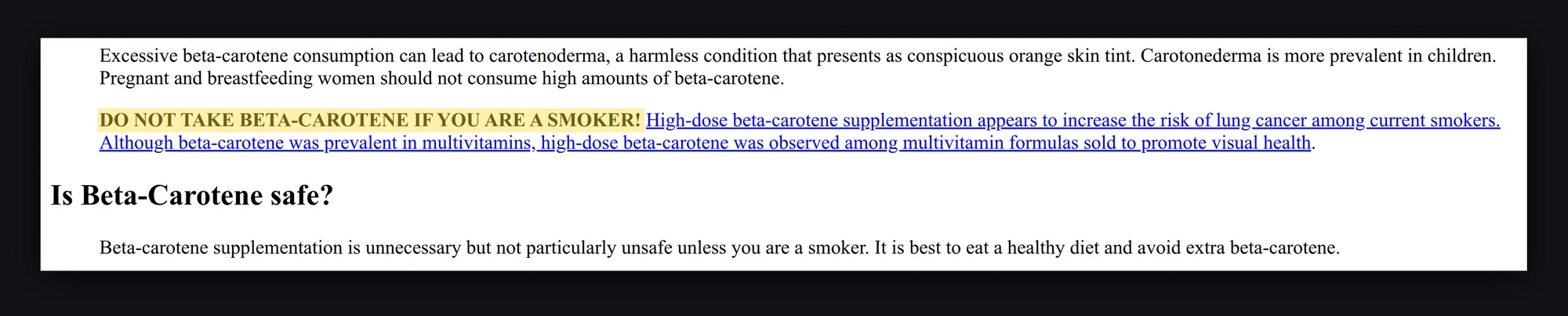
What I didn't appreciate back then was that the scientists also went shopping during their research. Of 47 common multivitamins, 70% contained beta-carotene, and some of the formulas sold for eye health provided up to 24mg per day.[1] So these weren't "irrelevant" doses.
Either way, I mentally filed it as an exception for smokers and moved on.
Fast-forward to late 2022. A friend introduced me to research on vitamin A toxicity and its potential role in modern health problems. That sent me back to beta-carotene (which is a "provitamin A" molecule), reminding me of the warning I'd written fourteen years earlier.
While I remembered writing that 2008 warning, I never dug into the history or biochemistry behind it. This series explores it in detail.
A Long Trail of Deaths, Not a Lot of Action
So this time, I went back beyond the meta-analyses and the failed trials. What I found is a trail of bodies left in the wake of overzealous science, yet with apparently no real lesson learned by the food or supplement industries... nor our federal regulators.
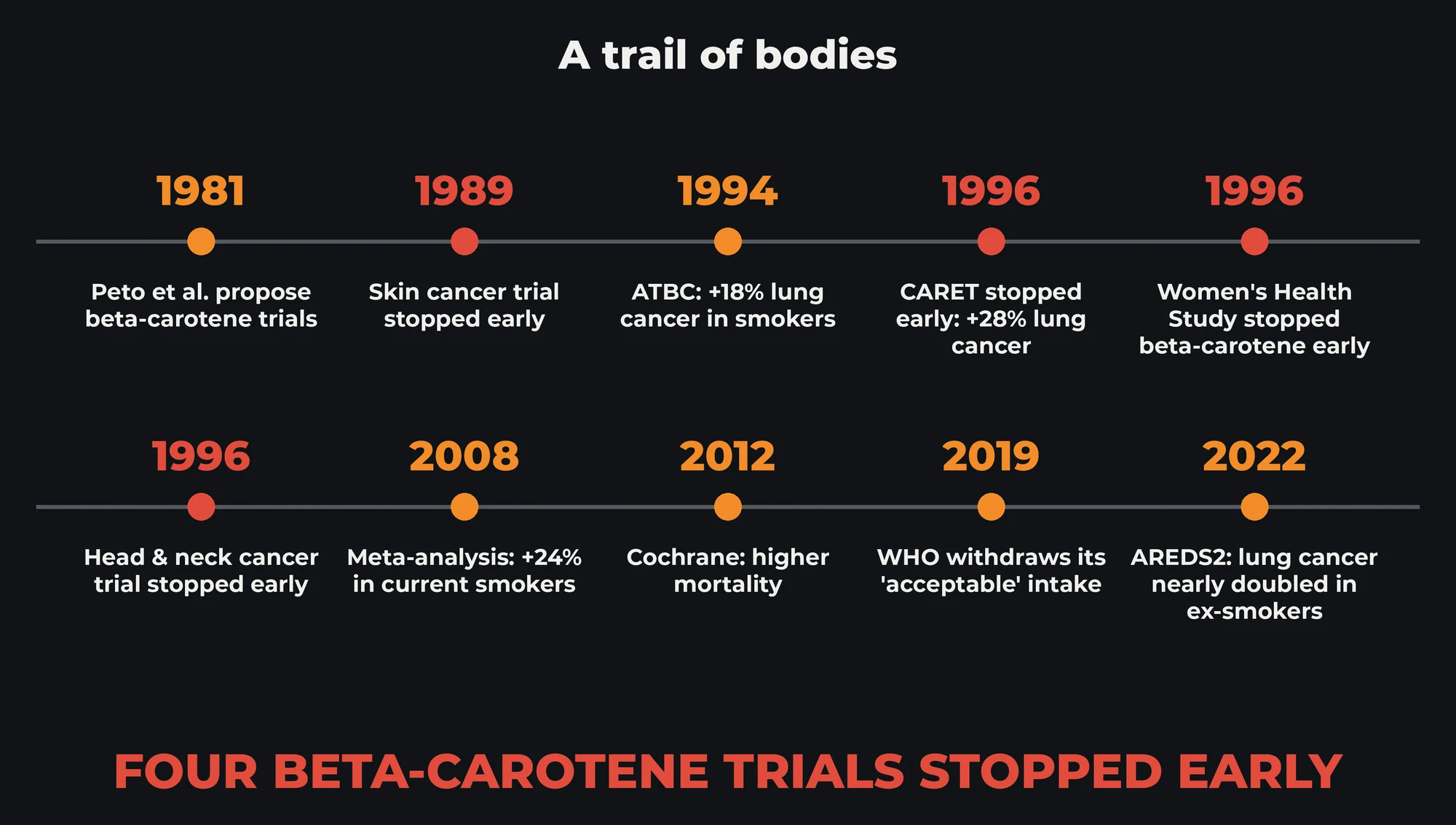
There's a massive stack of evidence, here too: several randomized controlled trials (some lasting several years), meta-analyses pooling hundreds of thousands of participants, multiple studies stopped early, and a regulatory apparatus that hasn't been updated to account for any of it. In fact, the laws nearly encourage toxic situations, as we'll later explore...
Additionally, the data published since then showed that the risk extends beyond just smokers, and it's not only about lung cancer either.[3,4]
For instance, when researchers pooled the 26 trials with the lowest risk of bias, the beta-carotene groups had about 5% more deaths overall, and these were deaths from anything, not just lung cancer.[3] In another eye-disease trial of older adults, smokers weren't given beta-carotene, but those in the beta-carotene group getting 15mg per day had nearly double the odds of lung cancer after ten years -- much of this coming from former smokers.[4]
Brief Disclaimer: I Still Eat Fruit (and Some Vegetables)
Now before we get into this, I want to say that this is not a series advocating against eating some fruits and vegetables. I eat tons of fruit myself. But as you'll see, things start to get really nasty when we overdo it.
And unfortunately, that's exactly what food and supplement brands and manufacturers are still doing to this day. This is especially the case when they're using beta-carotene as a colorant, where it needs extremely high doses often at amounts larger than what caused harm in the studies... yet it's largely invisible on labels. That's what we need to correct.
My Two Goals For This Series

I only stumbled onto one piece of the puzzle in 2008, but there's much more I hadn't read. This series will detail all of it, and by the time we're done, you'll understand my two simple goals:
That the dietary supplement and food industries stop using massive, hazardous doses of beta-carotene to color their drinks and foods orange.
That the FDA mandates all beta-carotene be disclosed and labeled as vitamin A, regardless of how or why it is used in the product. Even when it's "just for color".
Before returning to that 2008 study, though, we need to rewind and start from the beginning. And before we do that, we need to explain a little bit of basic biochemistry:
A Brief Beta-Carotene Biochemistry Primer
First, let's talk about beta-carotene itself. As mentioned above, it's an orange-colored plant pigment, best known as the chemical that makes orange carrots so orange. Plants don't make it for us, though. Carotenoids are a part of the larger process of photosynthesis, and beta-carotene helps protect it from excess light and reactive forms of oxygen that can cause damage.[5]
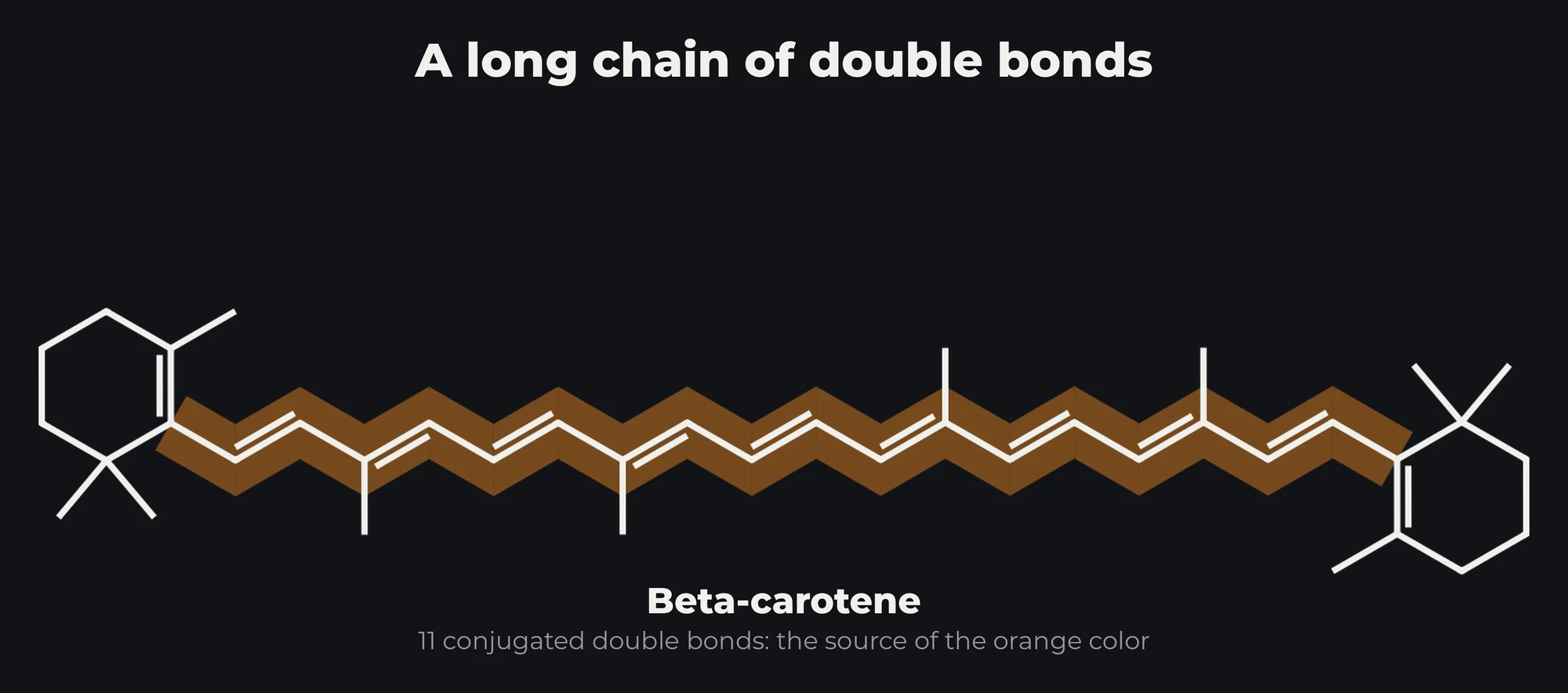
Chemically, beta-carotene's long chain of double bonds is what gives it that deep orange color, and it also gives enzymes and oxidants plenty of places to break or modify the molecule.
The Vitamin A Pathway
Beta-carotene is a provitamin A carotenoid, meaning animals can use it as raw material to make retinol, better known as vitamin A. In the best-known pathway, the molecule is cleaved directly down the middle ("central cleavage") to produce two retinaldehyde molecules.
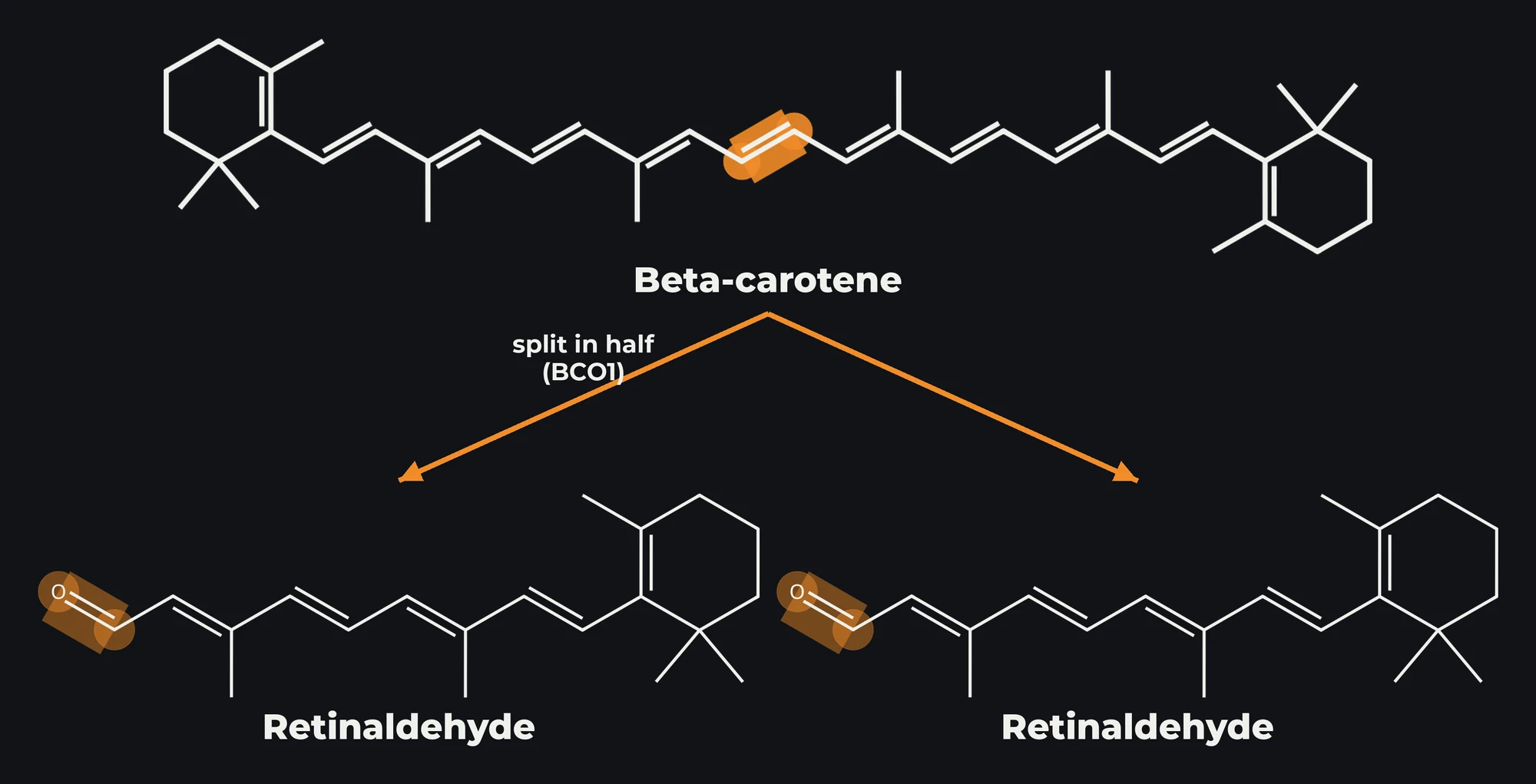
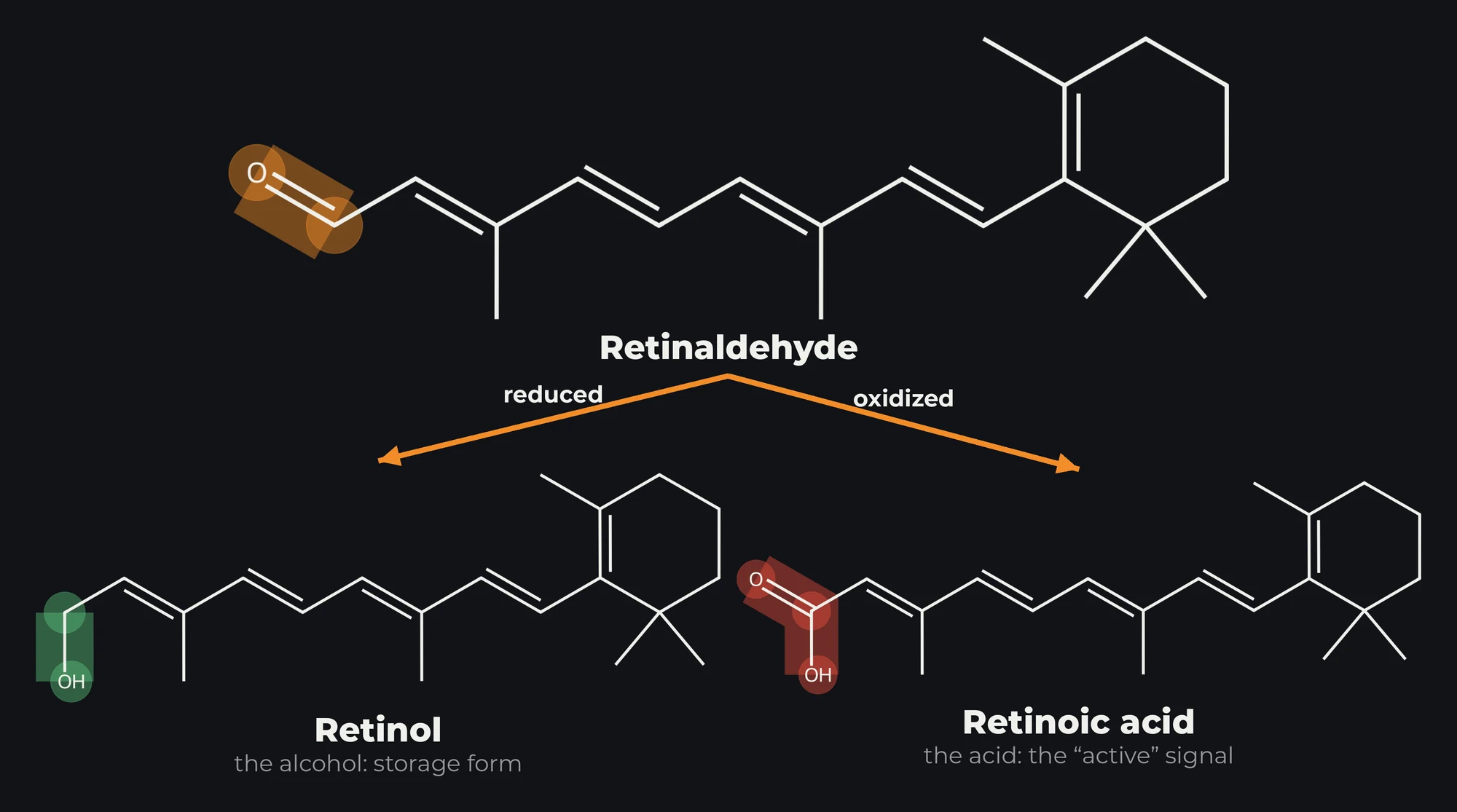
From there, retinaldehyde can be reduced to retinol, stored downstream as retinyl esters, or oxidized to retinoic acid (which is also known as tretinoin or all-trans-retinoic acid, sold as the drug "Retin-A"). Retinoic acid can also be converted into other isomers, including 13-cis-retinoic acid (also known as isotretinoin and sold as the drug "Accutane"). Eventually, these retinoids can be further oxidized and conjugated into more water-soluble metabolites that can be excreted more easily.[6,7]
Beyond the Vitamin A Pathway
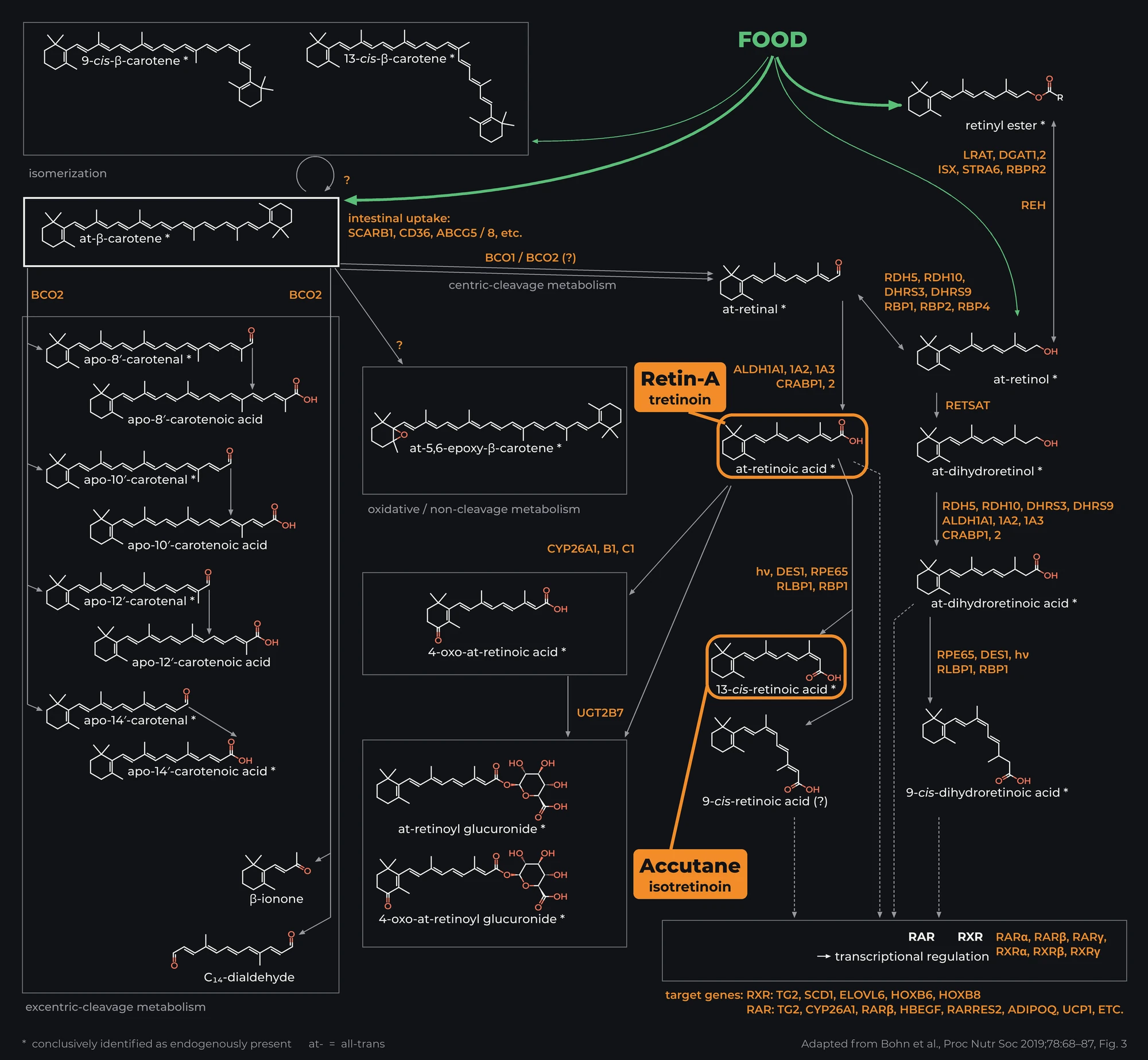
But beta-carotene doesn't only have this one pathway.
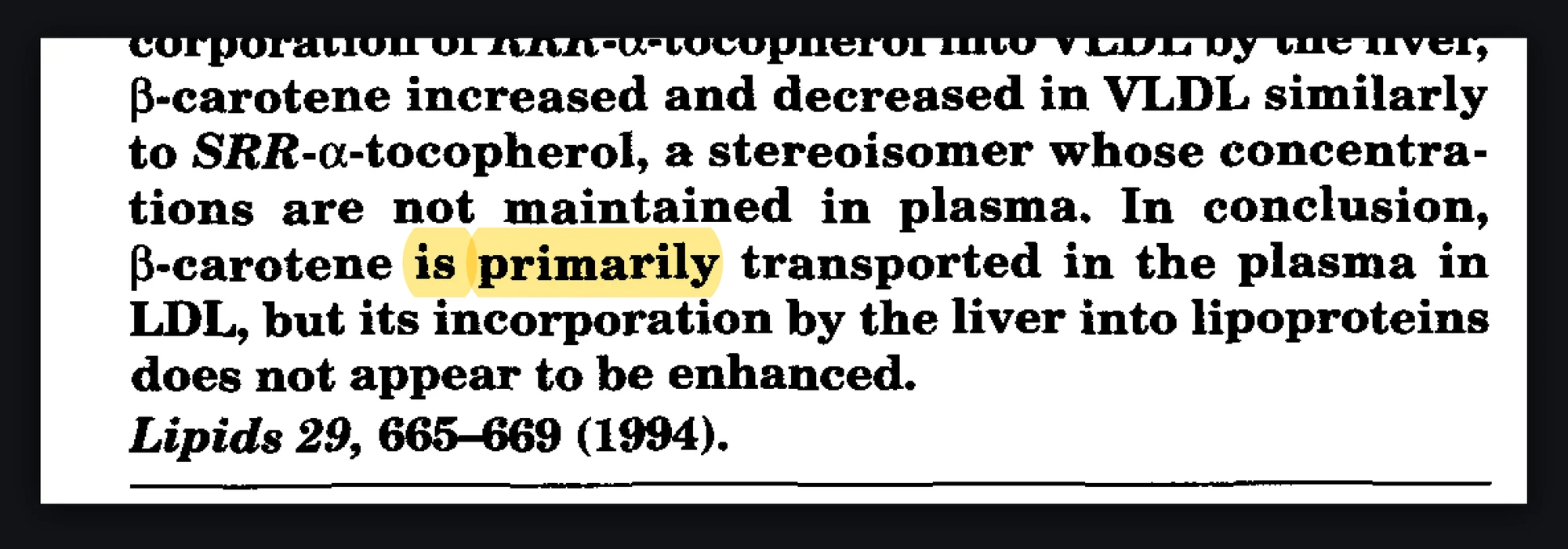
Some is never absorbed and leaves through the stool.[7,8] Some is absorbed intact, carried through the blood in lipoproteins (mostly low-density lipoproteins, the same LDL particles behind your ‘LDL cholesterol’ number),[9] and stored in tissues -- especially body fat, but also the liver, lungs, and other organs.
Some is also cleaved or oxidized at other points along its long chain of bonds, producing a whole family of shorter compounds called beta-apocarotenoids. Many of those are also aldehydes, while others are ketones, epoxides, and other oxidation products.
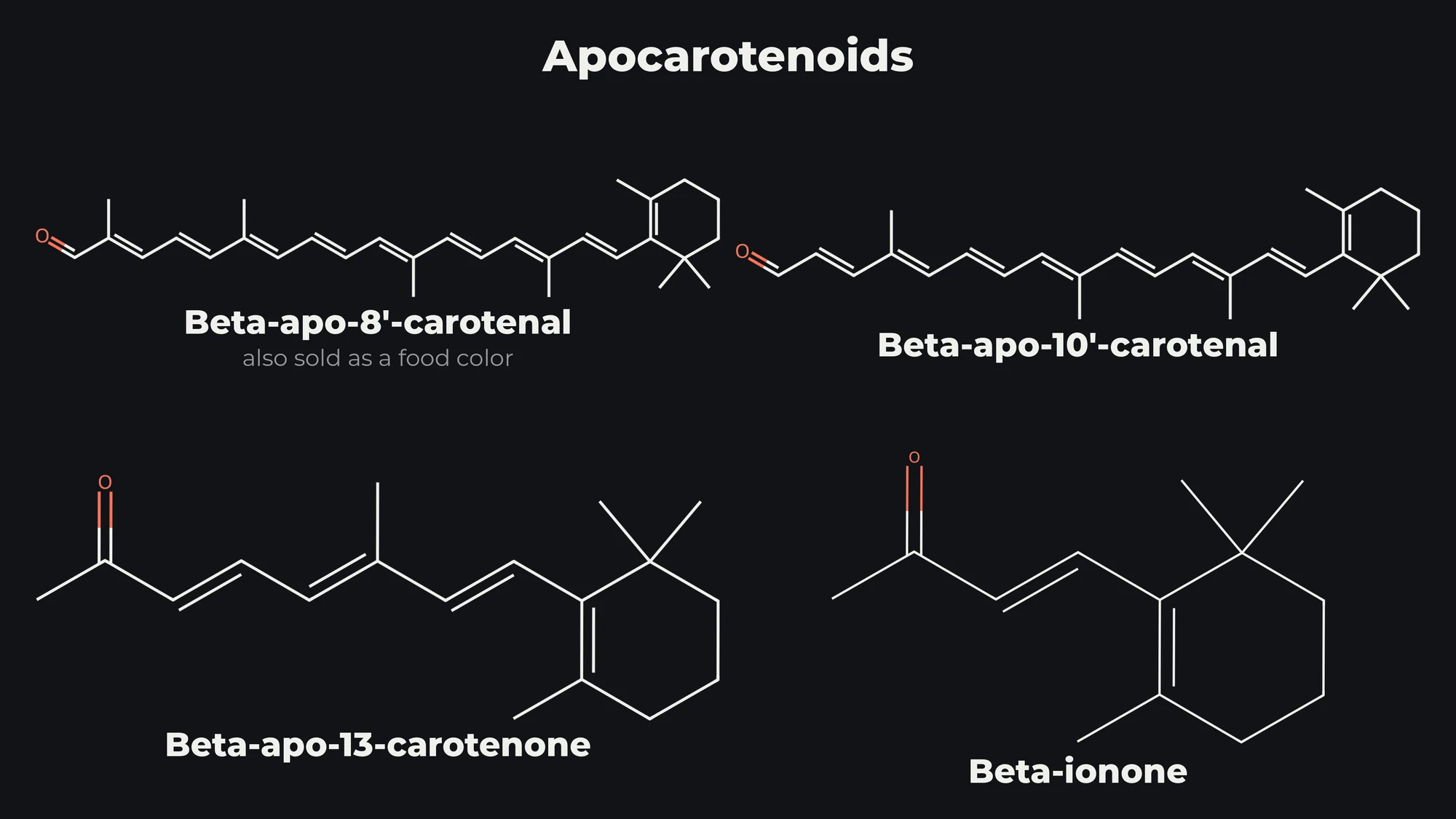
We'll spend an entire future episode on those metabolic fates, because they become extremely important later in this story.
For now, the key point is simple: while the vitamin A pathway is the primary pathway, beta-carotene isn't always just “vitamin A waiting to happen”. It's its own fat-soluble molecule, with its own transport, storage, chemistry, and breakdown products.
This all becomes especially important once you stop talking about eating an occasional carrot and start giving people tens of milligrams of purified beta-carotene every day for years.
Now, back to the studies at hand. In all fairness, the research was all based upon a very reasonable hypothesis. It's just a hypothesis that unfortunately spawned some excessively hazardous clinical trials, now that we look back at it from the future:
Before the Trials: A Promising Hypothesis, Not a Proven Benefit
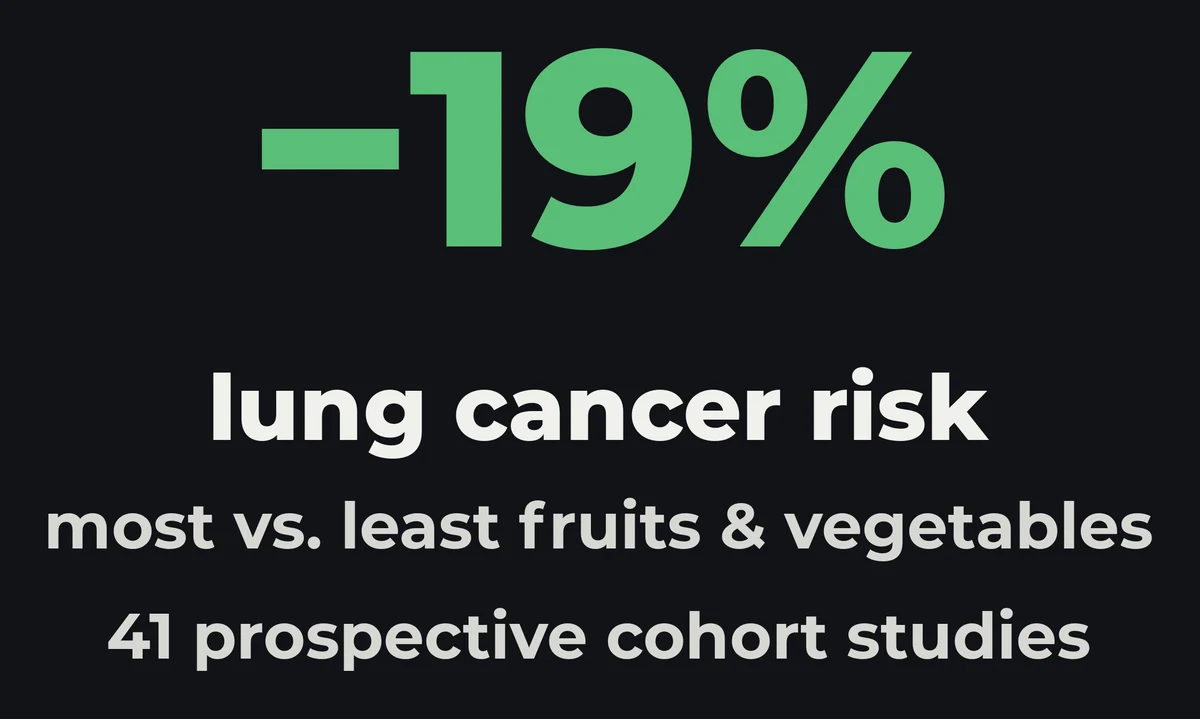
The story starts in the 1970s, when observational studies kept linking the same correlation: people who ate more fruits and vegetables had lower rates of several cancers, including lung cancer.[10,11,12] This pattern showed up across the world in several ethnicities with wildly different dietary cultures, and we still see this signal in observational research to this day.[13] The signal was consistent enough that researchers started asking what specifically in fruits and vegetables might explain it.
Beta-carotene was an obvious candidate. It's found in high concentrations in carrots, sweet potatoes, leafy greens, and other colorful plants. It's a fat-soluble antioxidant known at the time to be capable of neutralizing reactive oxygen species, which are implicated in DNA damage and tumor initiation.[14,15] Blood levels of beta-carotene correlated with fruit and vegetable intake. The hypothesis fit the data well enough: eat more plants, get more beta-carotene, get less cancer.
So supplement beta-carotene, right?
Peto: We Need a Beta-Carotene Trial in High-Risk Individuals
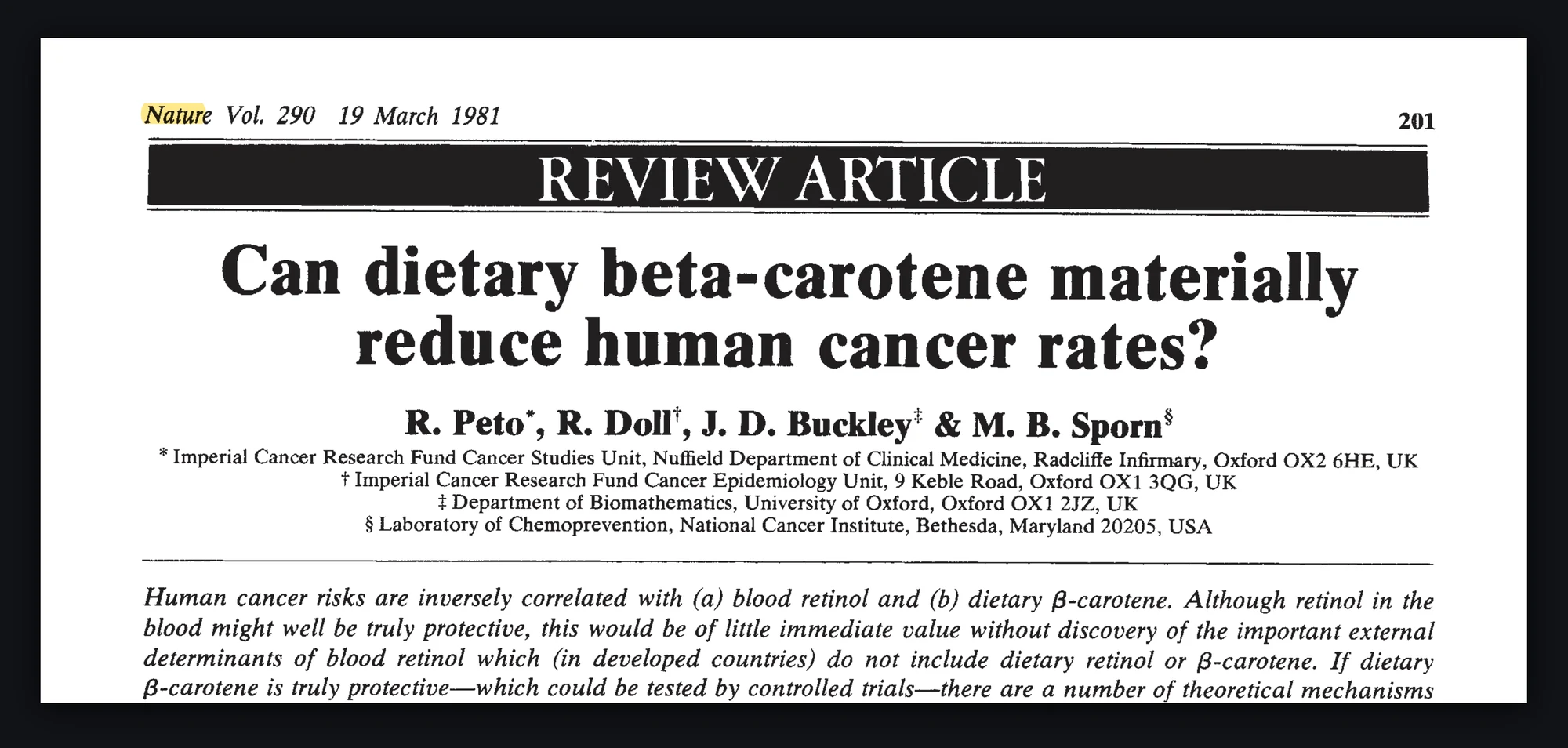
That's exactly where it led. In 1981, Richard Peto and three colleagues (Sir Richard Doll, J.D. Buckley, and Michael Sporn) published a hypothesis in the journal Nature. They asked: "Can dietary beta-carotene materially reduce human cancer rates?"[16] These weren't crackpots, either. Doll was the epidemiologist who helped prove that smoking causes lung cancer, Peto was his longtime collaborator at Oxford, and Sporn was the National Cancer Institute researcher who coined the terms "chemoprevention" and "retinoids".[17] These were heavy hitters, which is what makes their part of this story so wild.
The Appeal: Something You Could Take, Rather Than Something You Had to Give Up
Peto's paper opens with a sentiment that still fits the supplement industry to this day: finding a substance people could take to reduce cancer risk would be way more attractive than persuading them to stop doing something carcinogenic that they enjoyed. In their words, it would be attractive to find "anticancer substances that can be prescribed rather than carcinogens that must be proscribed."[16]
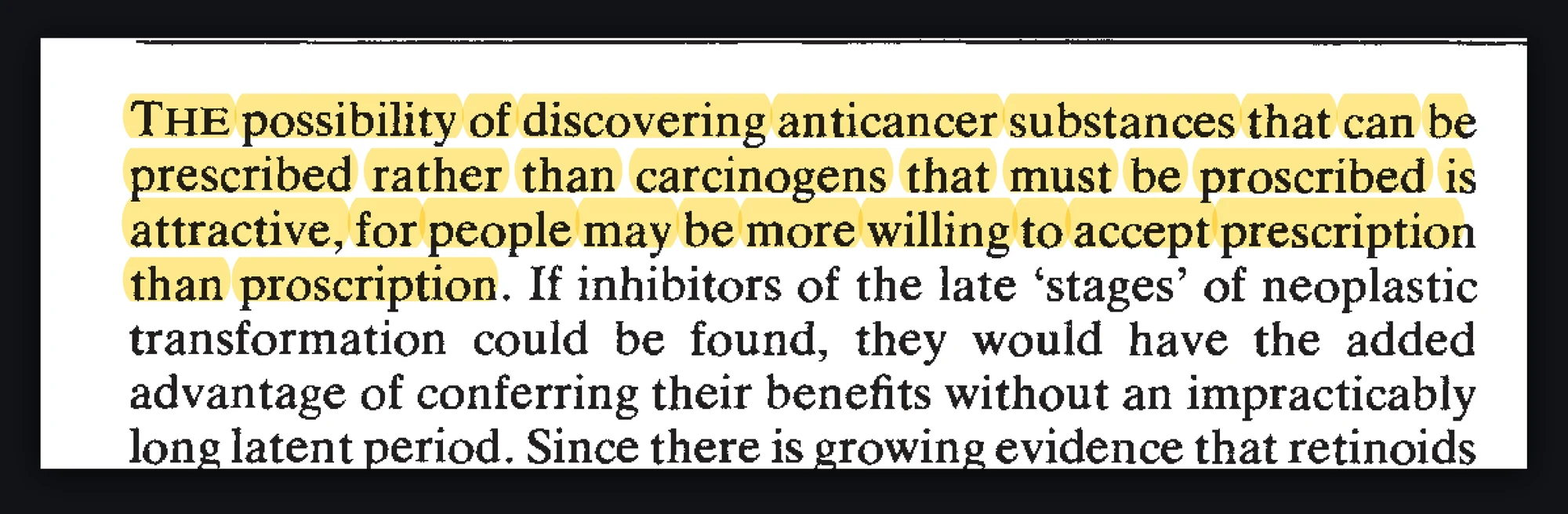
After all, getting a smoker to take a pill is far easier than getting them to stop smoking.
Peto Separated Two Questions That Still Get Blurred Together
The reason Peto hypothesized that beta-carotene could be an intervention worth safely testing is because the body is able to control how much is converted to vitamin A, while storing the rest in fat (they even note that carotenoids make human fat yellow in color).[16] This is unlike supplementing with preformed vitamin A, which gets loaded into the liver and could lead directly to vitamin A toxicity (hypervitaminosis A) and possibly even death in extreme circumstances.
They cited early research showing that the body's conversion of beta-carotene to vitamin A seems to decline as dosage increases,[18,19] further reducing chances of vitamin A toxicity. This is something we'll revisit throughout this series (keep in mind: "reduced" isn't the same as "zero").
So that was all part of the safety rationale in 1981, but it definitely wasn't proof that large doses can't or won't cause some level of harm.
The Caution Was Printed on the First Page
Interestingly, Nature's editor added a box labeled Caution. It opens with "Unwary readers (if such there are)..." which is about the most British possible way of saying "please don't go home and eat a sack of carrots". It warned readers not to interpret the article as proof that eating large amounts of carrots would protect them from cancer, and said the association involving blood retinol remained unsettled.
This kind of "black box warning" is something we don't see too often from research journals. Even four decades before TikTok, they knew what kind of clickbait this one would lead to.

Overall, Peto's discussion was fair and balanced. They admitted that people eating more vegetables might be getting some other protective substance, or simply avoiding a different harmful exposure. Beta-carotene could be a marker of those habits rather than the reason they were associated with less cancer.[16] A potential classic case of "healthy user bias".
They also admit that the existing data at the time was extremely limited. Their argument wasn't that the correlation was proof... only that it was a hypothesis at least strong enough to test.
But at what dose?
Now here's where the proposal gets strange in hindsight. Rather than trying to find the minimum effective dose, Peto and colleagues suggested a maximum style approach: give as much beta-carotene as possible without making the participants turn orange. Their exact words: "preferably as high a daily dose as possible without significant skin yellowing."[16] They then casually mention that they're not truly sure if a man reputed to have died of carrot juice "actually did so" (presumably because the deceased had also been poisoned with retinol, per the paper's title), before moving on.
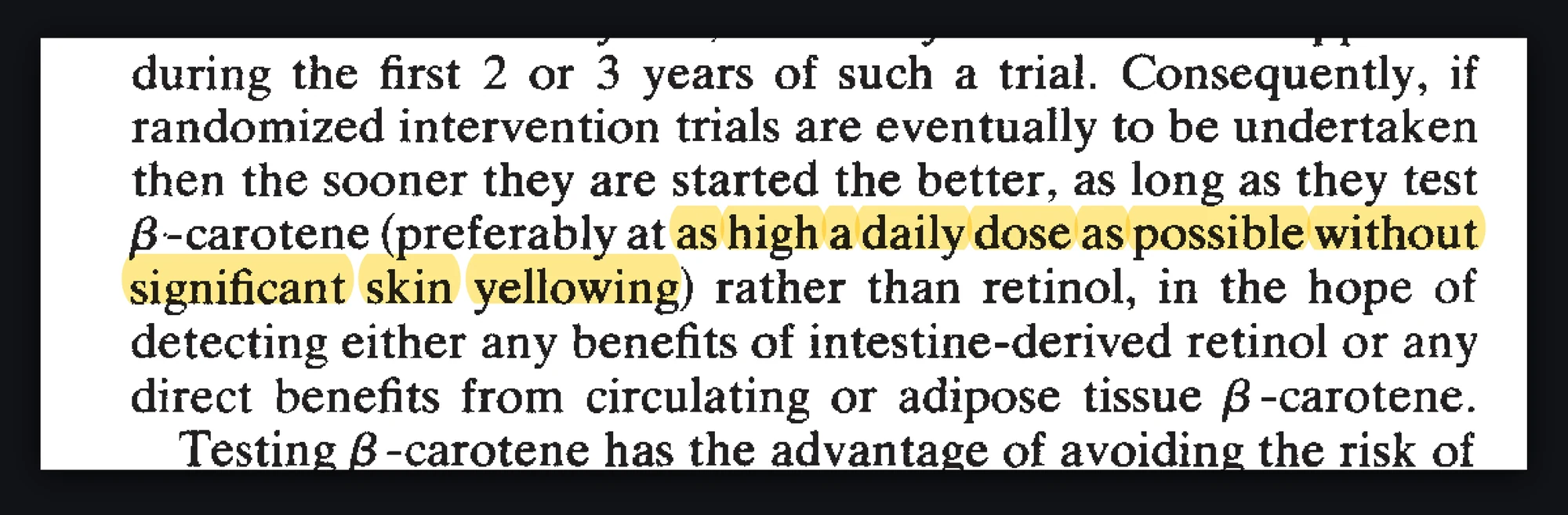
Since a few dozen milligrams per day for several weeks could produce the yellow-orange skin discoloration associated with carotenemia,[20,21] that side effect became the practical upper boundary. In simple terms: dose them right up to the point before they start changing colors!
So this was basically just a cosmetic boundary, not any kind of demonstrated cancer safety or toxicity threshold. They even quoted an older source claiming that "as far as is known hypercarotenosis in all its forms is entirely harmless" (never minding the person who died while carrot juicing). Key words, of course, are "as far as is known". Turns out their own research would eventually lead to what is now known.

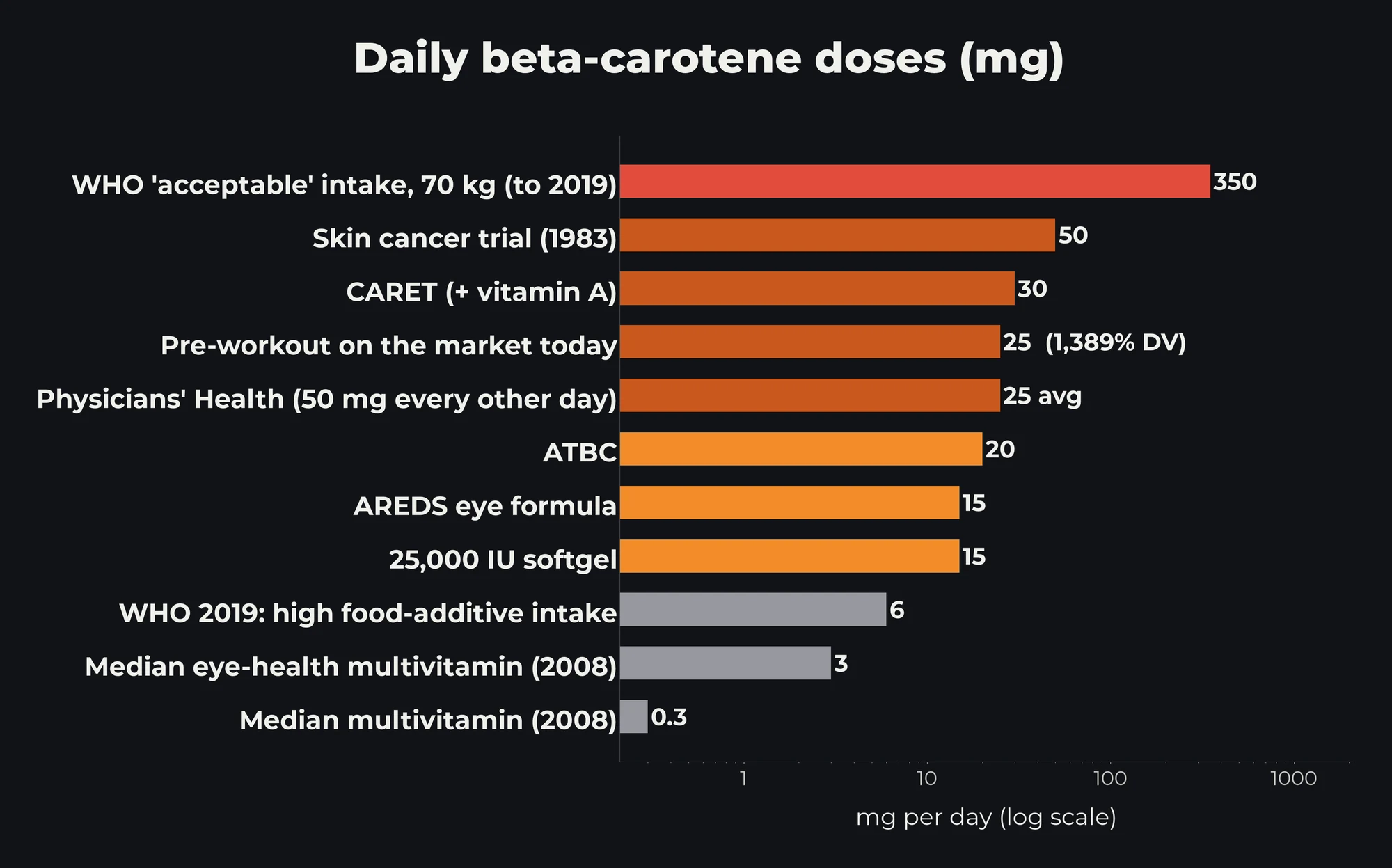
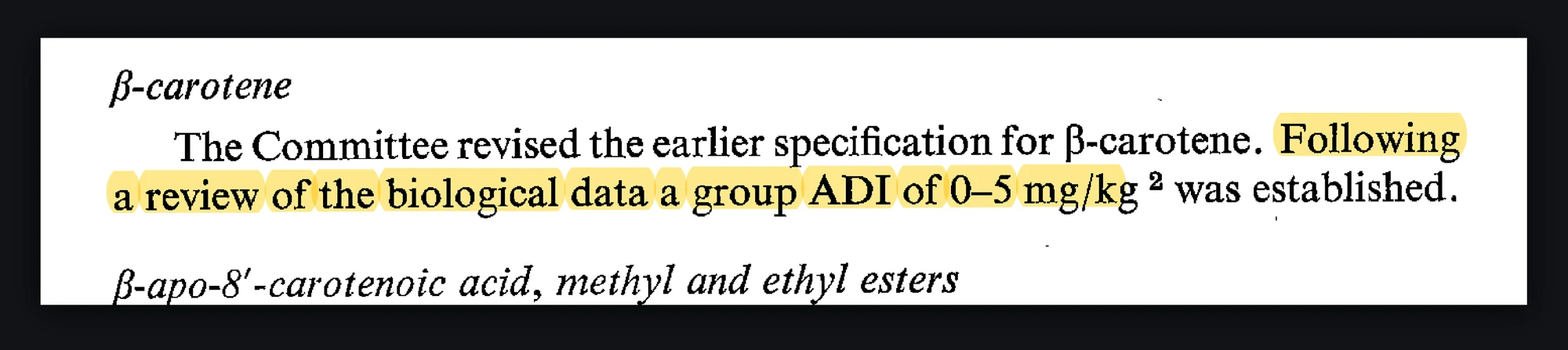
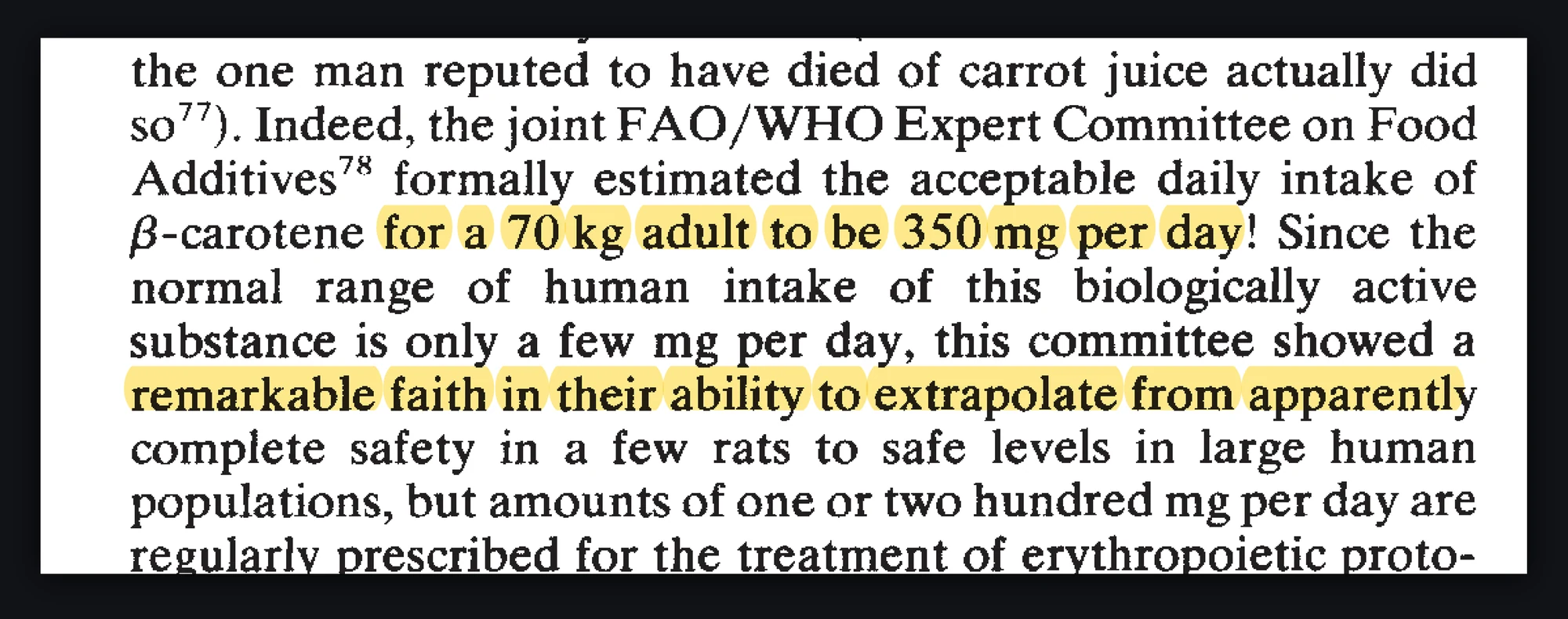
To be fair, Peto's paper was otherwise cautious, and that recommendation didn't come out of nowhere. In 1974, the World Health Organization (technically JECFA, a joint committee of the WHO and the UN's Food and Agriculture Organization) reaffirmed an acceptable daily intake (ADI) of 0-5mg/kg body weight for beta-carotene and related carotenoids (first set in 1966) -- theoretically 350mg/day for a 70kg adult![19,23] The problem is how that number was built: the WHO's evaluation was based upon rats, who have a tremendously higher tolerance to carotene than humans. Peto even criticized the WHO's "remarkable faith" in extrapolating apparent safety in a few rats to entire human populations.[16] His suggested dose, while still high, was far lower than the WHO's suggested max.
So this all makes Peto's proposal understandable for 1981, though still quite aggressive and ambitious. It was also just a hypothesis and not a blueprint to be blindly followed -- he wasn't actually designing a study here.
On the Topic of the WHO Situation...
The historical punchline is brutal, too. WHO finally withdrew those old ADIs in 2019, finally admitting that rats are not considered an appropriate model for deriving a beta-carotene ADI in humans.[24] Such a standup organization: it only took them 25 years after the first deadly study was published (which used less than one tenth of their previous ADI) for them to throw that number out.
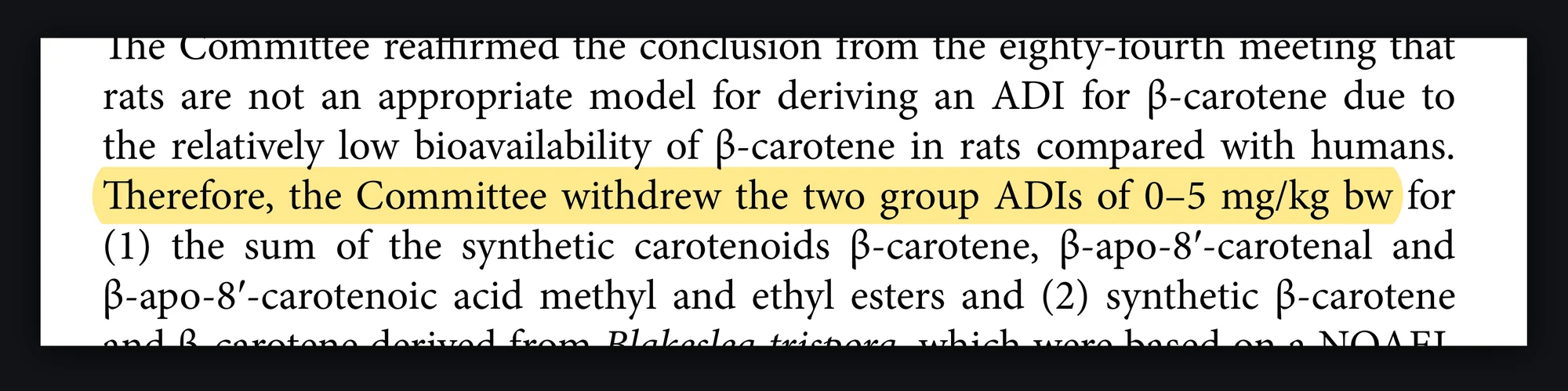
It gets worse, too: After scrapping that max, they didn't replace it with a new number! The committee said a safe intake for everyone is very unlikely ever to be set, because the people most at risk (smokers) can’t ethically be put through another trial.[22]
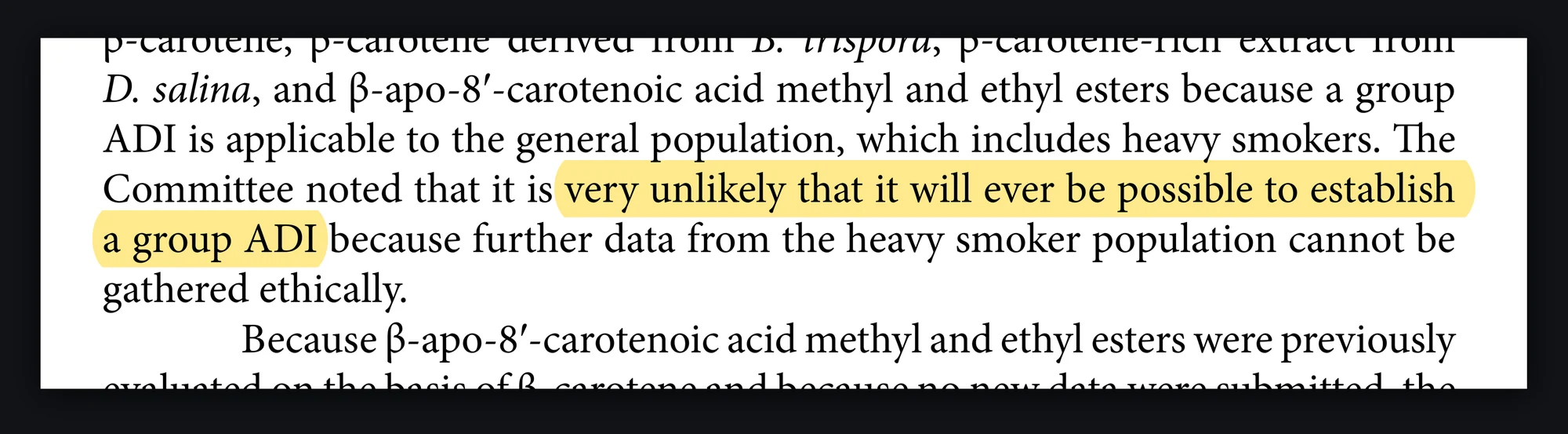
The story goes much deeper, and the most recent updates into 2026 will be covered in a future episode,[25] but as it stands now, there is no officially-known safe limit for this ingredient. Only that too much is clearly not a good thing.
More Encouragement...
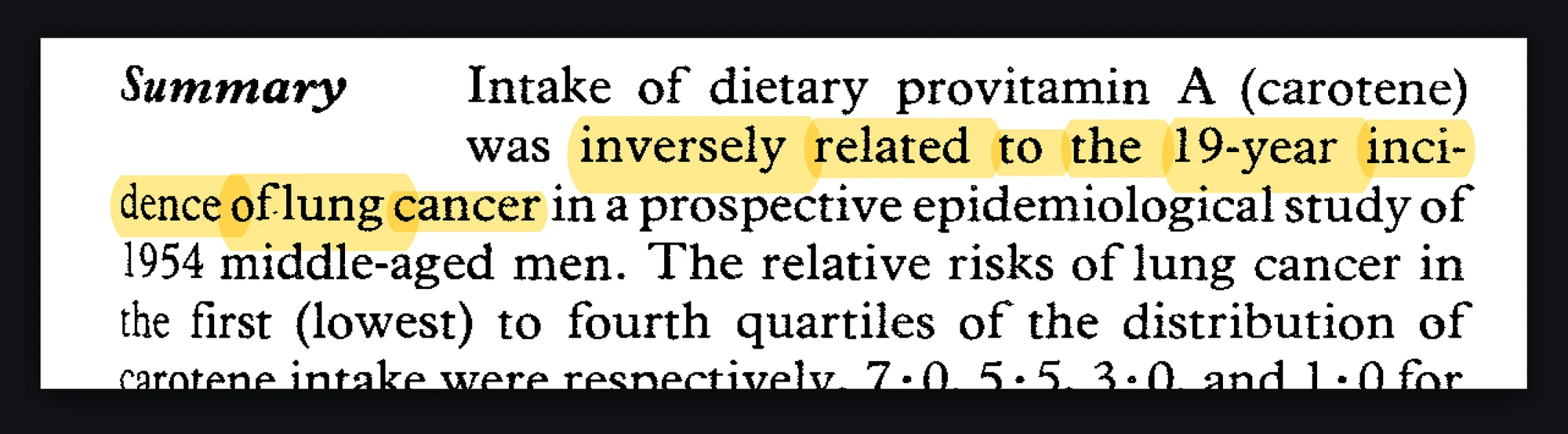
Later in 1981, the Western Electric study reported that dietary carotene, but not retinol, was inversely associated with lung cancer over 19 years of follow-up in 1,954 men. This was another encouraging observational result, but still not proof that taking carotene capsules would reduce rates.[10] Either way, it definitely added fuel to the fire, and researchers were itching to find out if they could combat cancer with a supplement.
Foreshadowed Doom: Under Pressure
But one last thing. In 1984, with the first big beta-carotene trials already underway, Burton and Ingold found something that would haunt future vitamin A researchers for years to come.
They discovered that beta-carotene's radical-trapping behavior depended on oxygen pressure. Under higher oxygen pressures (and especially at higher concentrations), it could lose antioxidant activity and actually show pro-oxidant behavior.[26]
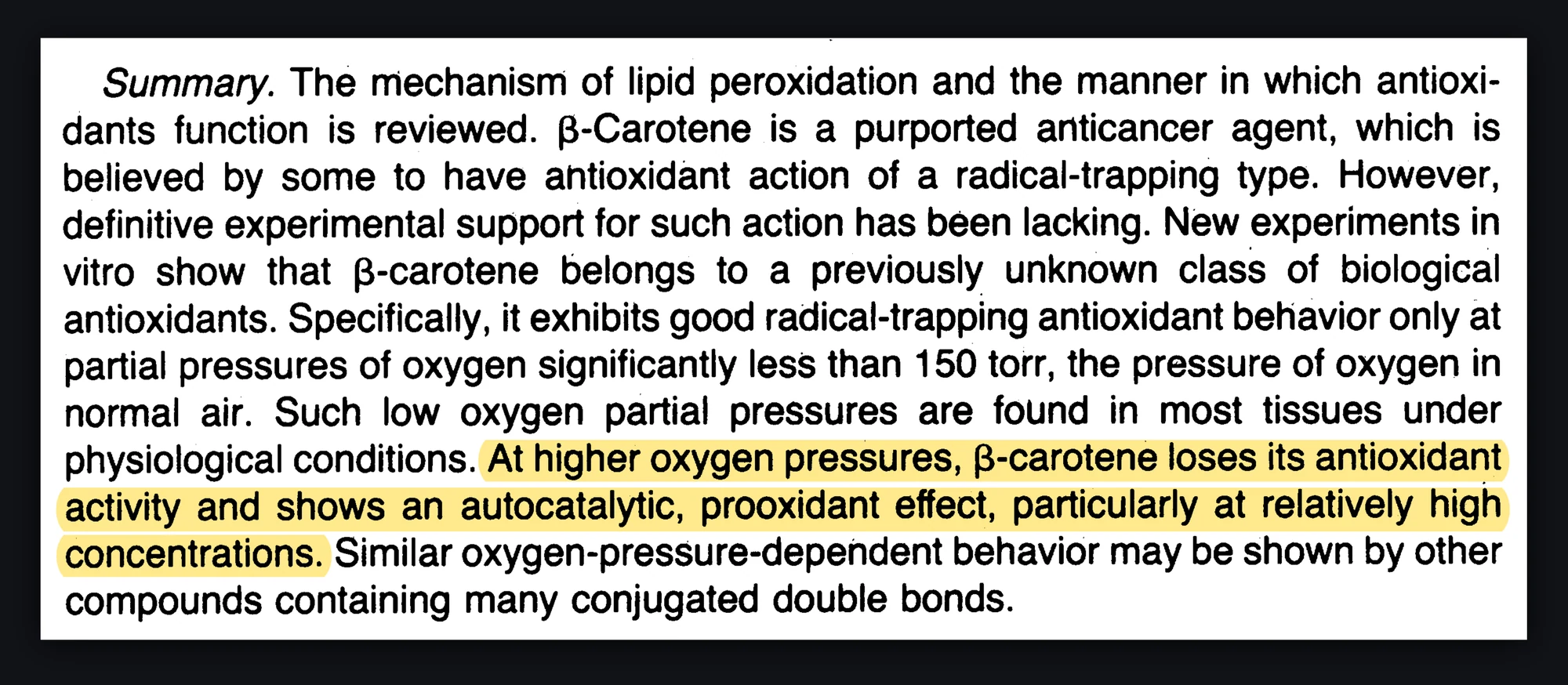
None of this helped anyone establish safe (or harmful) doses, nor predict what would happen in a human cancer trial. But they did show that simply calling a molecule an "antioxidant" doesn't always just make it so, and it definitely doesn't tell you what will happen under every condition.
Early-1980s: It's Go-Time
Either way, into the early-1980s, the case was strong enough for a major experiment. They just weren't ready for what the results would be.
In 1982, the Physicians' Health Study got underway with 22,071 American male doctors, half of whom were assigned 50mg of beta-carotene every other day -- and Richard Peto himself was one of its authors.[27] A skin cancer prevention trial started enrolling patients in February 1983,[28] and in 1985, Finland began enrolling the 29,133 male smokers of the ATBC trial.[29]
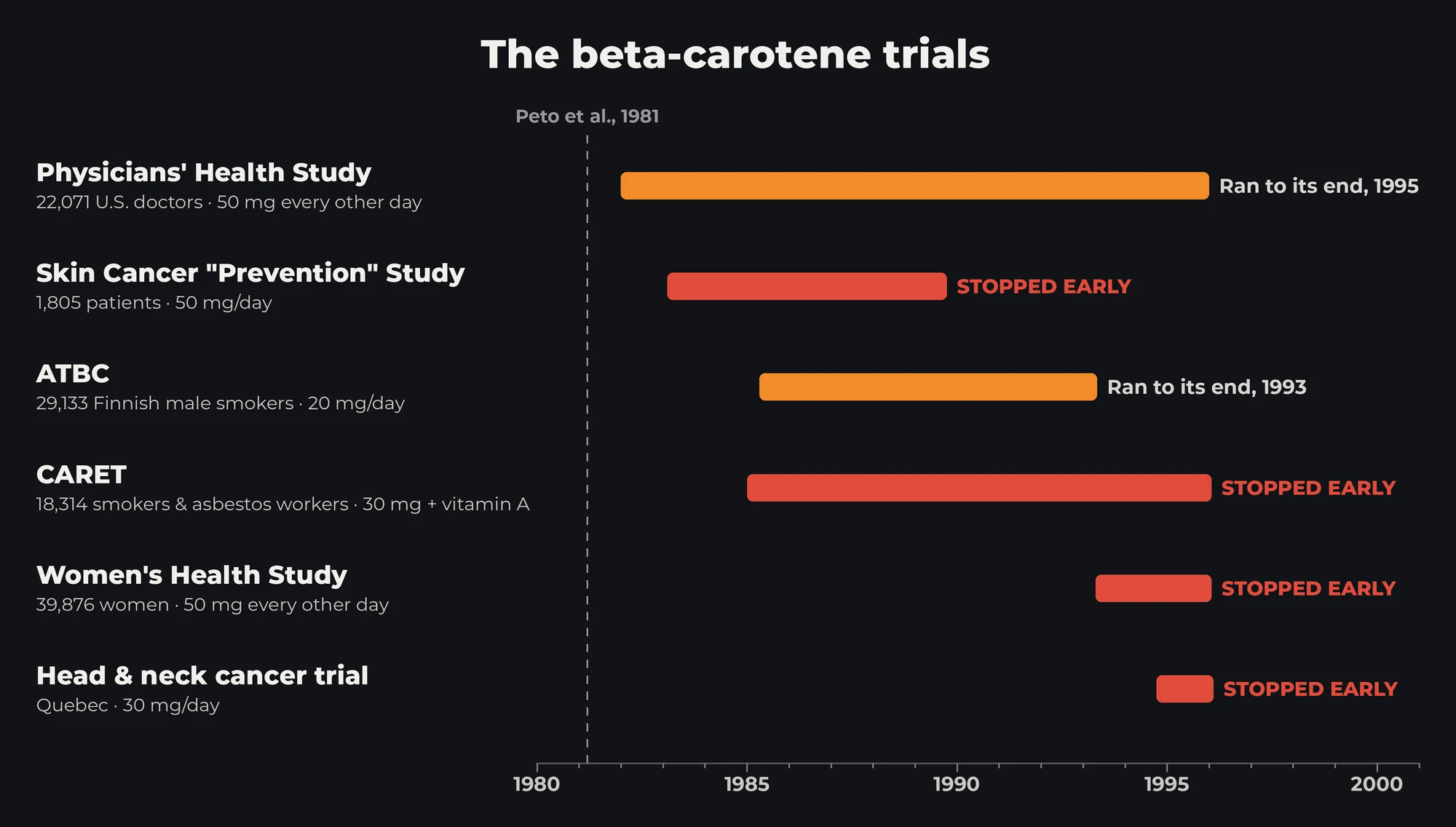
And I'll say this now, for full disclosure: not every one of these trials found harm. Some found nothing at all, and we'll cover those too. If this argument can't survive the boring results, it doesn't deserve your attention.
Episode 2 follows the evidence that arrived before the famous Finnish results: a 50mg/day skin-cancer trial that stopped early, some uncomfortable but inconclusive adverse findings, an interesting correction, and other studies that kept the hypothesis alive. Then Episode 3 takes us inside the 29,133-man ATBC trial itself. The results, sadly, didn't go as planned.
Want to help in the meantime? Check your labels -- your pre-workout, your energy drink, your vitamins. If you see beta-carotene on there, snap a picture of the label and send it my way. I'm building a list.
The Beta-Carotene Case Files is a multi-part series covering the clinical trial evidence on supplemental beta-carotene and its implications for consumers, industry stakeholders, and regulators. Scientific claims and statistics are sourced to peer-reviewed studies or primary regulatory documents, with citations linked throughout.
References
- Tanvetyanon, Tawee, and Gerold Bepler. "Beta‐carotene in Multivitamins and the Possible Risk of Lung Cancer Among Smokers Versus Former Smokers." Cancer, vol. 113, no. 1, Wiley, June 2008, pp. 150–157, doi:10.1002/cncr.23527. https://acsjournals.onlinelibrary.wiley.com/doi/10.1002/cncr.23527
- PricePlow. "Beta-Carotene Side Effects". PricePlow.com. Archived 04 May, 2009. https://web.archive.org/web/20090504001255/http://www.priceplow.com/beta-carotene/side-effects
- Bjelakovic, Goran, et al. "Antioxidant Supplements for Prevention of Mortality in Healthy Participants and Patients with Various Diseases." The Cochrane Database of Systematic Reviews, vol. 2012, no. 3, Mar. 2012, CD007176, doi:10.1002/14651858.CD007176.pub2. https://pmc.ncbi.nlm.nih.gov/articles/PMC8407395/
- Chew, Emily Y, et al. "Long-Term Outcomes of Adding Lutein/Zeaxanthin and ω-3 Fatty Acids to the AREDS Supplements on Age-Related Macular Degeneration Progression: AREDS2 Report 28." JAMA Ophthalmology, vol. 140, no. 7, July 2022, pp. 692–698, doi:10.1001/jamaophthalmol.2022.1640. https://jamanetwork.com/journals/jamaophthalmology/fullarticle/2792855
- Telfer, Alison. "Too Much Light? How β-Carotene Protects the Photosystem II Reaction Centre." Photochemical & Photobiological Sciences, vol. 4, no. 12, Springer Science and Business Media LLC, Dec. 2005, pp. 950–956, doi:10.1039/b507888c. https://doi.org/10.1039/B507888C
- Bohn, Torsten, et al. "β-Carotene in the Human Body: Metabolic Bioactivation Pathways - from Digestion to Tissue Distribution and Excretion." The Proceedings of the Nutrition Society, vol. 78, no. 1, Feb. 2019, pp. 68–87, doi:10.1017/S0029665118002641. https://pubmed.ncbi.nlm.nih.gov/30747092/
- Dueker, Stephen R, et al. "Long-Term Kinetic Study of β-Carotene, Using Accelerator Mass Spectrometry in an Adult Volunteer." Journal of Lipid Research, vol. 41, no. 11, American Society for Biochemistry and Molecular Biology, Nov. 2000, pp. 1790–1800, doi:10.1016/s0022-2275(20)31972-6. https://doi.org/10.1016/s0022-2275(20)31972-6
- Ho, Charlene C, et al. "A Minute Dose of 14C-β-Carotene Is Absorbed and Converted to Retinoids in Humans." The Journal of nutrition, vol. 139, no. 8, Aug. 2009, pp. 1480–6, doi:10.3945/jn.109.105114. https://pmc.ncbi.nlm.nih.gov/articles/PMC2709301/
- Traber, M G, et al. "Beta-Carotene Transport in Human Lipoproteins. Comparisons with A-Tocopherol." Lipids, vol. 29, no. 10, Oct. 1994, pp. 665–9, doi:10.1007/BF02538909. https://pubmed.ncbi.nlm.nih.gov/7861932/
- Shekelle, R B, et al. "Dietary Vitamin a and Risk of Cancer in the Western Electric Study." Lancet (London, England), vol. 2, no. 8257, Nov. 1981, pp. 1185–90, doi:10.1016/s0140-6736(81)91435-5. https://pubmed.ncbi.nlm.nih.gov/6118627/
- Bjelke, E.. "Dietary Vitamin a and Human Lung Cancer." International Journal of Cancer, vol. 15, no. 4, Apr. 1975, pp. 561–565, doi:10.1002/ijc.2910150405. https://doi.org/10.1002/ijc.2910150405
- Kvåle, Gunnar, et al. "Dietary Habits and Lung Cancer Risk." International Journal of Cancer, vol. 31, no. 4, Apr. 1983, pp. 397–405, doi:10.1002/ijc.2910310402. https://doi.org/10.1002/ijc.2910310402
- Tabatabaei, Seyed Vahid Ahmadi, et al. "Fruit and Vegetable Intake in Relation to Lung Cancer Risk: A Systematic Review and Dose-Response Meta-Analysis of Prospective Cohort Studies." Journal of cancer prevention, vol. 30, no. 2, June 2025, pp. 75–88, doi:10.15430/JCP.25.009. https://pubmed.ncbi.nlm.nih.gov/40621159/
- Foote, Christopher S., et al. "Chemistry of Singlet Oxygen. X. Carotenoid Quenching Parallels Biological Protection." Journal of the American Chemical Society, vol. 92, no. 17, Aug. 1970, pp. 5216–5218, doi:10.1021/ja00720a036. https://doi.org/10.1021/ja00720a036
- Krinsky, N I, and S M Deneke. "Interaction of Oxygen and Oxy-Radicals with Carotenoids." Journal of the National Cancer Institute, vol. 69, no. 1, July 1982, pp. 205–10. https://pubmed.ncbi.nlm.nih.gov/6285060/
- Peto, R., et al. "Can Dietary Beta-Carotene Materially Reduce Human Cancer Rates?." Nature, vol. 290, no. 5803, Mar. 1981, pp. 201–208, doi:10.1038/290201a0. https://www.nature.com/articles/290201a0
- National Cancer Institute, Division of Cancer Prevention. "Individual Champion/Changemaker: Michael Sporn." https://prevention.cancer.gov/about-dcp/history-and-timeline/commemoration-50th/michael-sporn
- Nieman, C., and H.J. Klein Obbink. "The Biochemistry and Pathology of Hypervitaminosis A." vol. 12, Academic Press, Apr. 2008, pp. 69–99, doi:10.1016/S0083-6729(08)61009-2. https://doi.org/10.1016/s0083-6729(08)61009-2
- Joint FAO/WHO Expert Committee on Food Additives. "Evaluation of Certain Food Additives: Eighteenth Report of the Joint FAO/WHO Expert Committee on Food Additives, Rome, 4-13 June 1974." World Health Organization, 1974. https://www.who.int/publications/i/item/9241205571
- Lascari, A D. "Carotenemia. a Review." Clinical pediatrics, vol. 20, no. 1, Jan. 1981, pp. 25–9, doi:10.1177/000992288102000103. https://pubmed.ncbi.nlm.nih.gov/7449242/
- Sansone, Randy A, and Lori A Sansone. "Carrot Man: A Case of Excessive Beta-Carotene Ingestion." The International journal of eating disorders, vol. 45, no. 6, Sept. 2012, pp. 816–8, doi:10.1002/eat.22015. https://pubmed.ncbi.nlm.nih.gov/22431270/
- Joint FAO/WHO Expert Committee on Food Additives. “Evaluation of Certain Food Additives: Eighty-Seventh Report of the Joint FAO/WHO Expert Committee on Food Additives.” WHO Technical Report Series, no. 1020, World Health Organization, 2019. https://www.who.int/publications/i/item/9789241210294
- "Carotene, Beta- (WHO Food Additives Series 6)." World Health Organization (WHO) Food Additives Series, World Health Organization (WHO), 1975. https://www.inchem.org/documents/jecfa/jecmono/v06je15.htm
- Joint FAO/WHO Expert Committee on Food Additives. "beta,beta-Carotene." JECFA Database, World Health Organization. https://apps.who.int/food-additives-contaminants-jecfa-database/Home/Chemical/942
- Joint FAO/WHO Expert Committee on Food Additives. "One Hundred and Second Meeting: Summary and Conclusions." World Health Organization, June 2026. https://cdn.who.int/media/docs/default-source/food-safety/jecfa/summary-and-conclusions/jecfa-102-summary-report_final.pdf
- Burton, G W, and K U Ingold. "Beta-Carotene: An Unusual Type of Lipid Antioxidant." Science (New York, N.Y.), vol. 224, no. 4649, May 1984, pp. 569–73, doi:10.1126/science.6710156. https://pubmed.ncbi.nlm.nih.gov/6710156/
- Hennekens, C H, et al. "Lack of Effect of Long-Term Supplementation with Beta Carotene on the Incidence of Malignant Neoplasms and Cardiovascular Disease." The New England Journal of Medicine, vol. 334, no. 18, May 1996, pp. 1145–9, doi:10.1056/NEJM199605023341801. https://pubmed.ncbi.nlm.nih.gov/8602179/
- Greenberg, E R, et al. "A Clinical Trial of Beta Carotene to Prevent Basal-Cell and Squamous-Cell Cancers of the Skin." The New England Journal of Medicine, vol. 323, no. 12, Sept. 1990, pp. 789–95, doi:10.1056/NEJM199009203231204. https://pubmed.ncbi.nlm.nih.gov/2202901/
- Alpha-Tocopherol, Beta Carotene Cancer Prevention Study Group. "The Effect of Vitamin E and Beta Carotene on the Incidence of Lung Cancer and Other Cancers in Male Smokers." The New England Journal of Medicine, vol. 330, no. 15, Apr. 1994, pp. 1029–35, doi:10.1056/NEJM199404143301501. https://pubmed.ncbi.nlm.nih.gov/8127329/
- Joint FAO/WHO Expert Committee on Food Additives. "Beta-Carotene Derived from Blakeslea Trispora." WHO Food Additives Series 48, World Health Organization, 2001. https://inchem.org/documents/jecfa/jecmono/v48je04.htm